
Collars do not replace field craft — they extend it. Each beep and GPS ping still needs a ranger who can read dust, dung, and the mood of the herd as it moves through Udawalawe’s dry-season corridors.
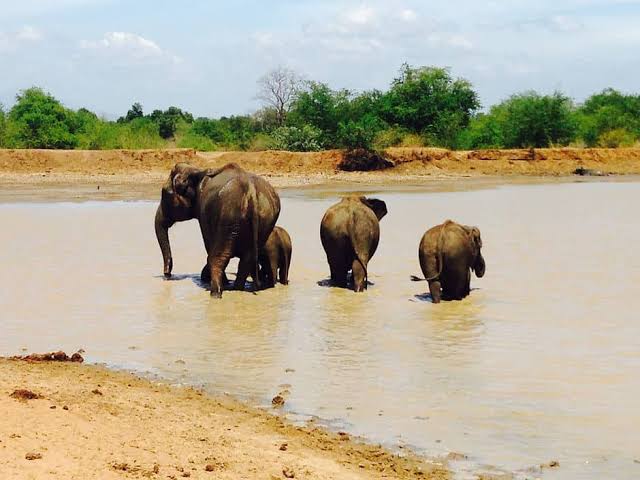
What looks like silent walking from a jeep track is, to monitoring teams, a mapped conversation: shade trees preferred at noon, water approached at dusk, and familiar paths reused when grass grows thin.
Collars & Cameras
Camera traps placed along known corridors confirm what collar maps suggest: elephants prefer predictable shade and water, especially in the hottest months. Together, the tools turn scattered sightings into a clearer picture of herd movement.
“Technology is only useful when it listens to the land first...”
— Ranger briefing note, Udawalawe Section
Dry-Season Routes & Migration
As grass thins, paths tighten toward the reservoir. Understanding those routes helps manage jeep density and reduce stress on feeding herds, especially where multiple groups may share the same corridor within a few days.
The Art of Tracking
Rangers combine traditional sign-reading with GPS points, camera traps, and careful notes on musth signals, calf vulnerability, and human-wildlife friction outside the main tourist loops. The goal is never pursuit — only understanding.
Future Horizons
Protecting these silent walkers means protecting corridors beyond the park boundary. Every verified collar ping and camera record helps shape conservation plans that keep both elephants and communities safer.
Enjoying this expedition log?
Get field notes and park updates delivered quietly to your inbox.
Visitor Reflections
12 Reflections
Fascinating to learn how camera traps and traditional tracking work together. The corridor timing note was especially useful.
The tip about giving collared elephants space should be in every jeep briefing. Excellent conservation field log.