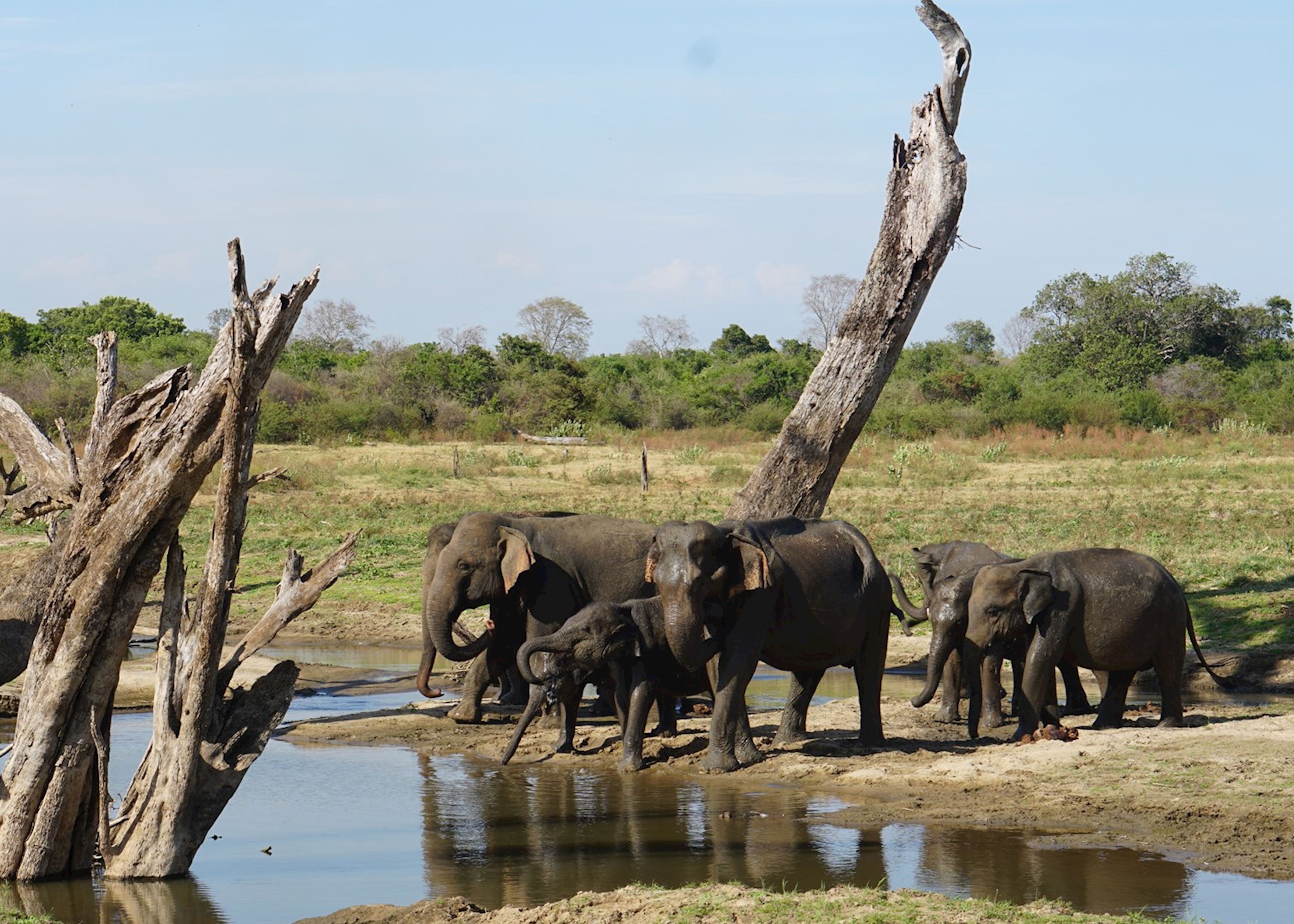


Across the open plains of Udawalawe, the largest bulls move with a patience that feels older than the tracks themselves. These lone tuskers are not lost from the herd — they are navigating a landscape of memory, water, and seasonal grass.
Rangers read that journey in broken twigs, polished bark, and the soft crescent prints left after rain. Each sign is a sentence in a longer story about how elephants claim space without hurry.
The Great Gathering
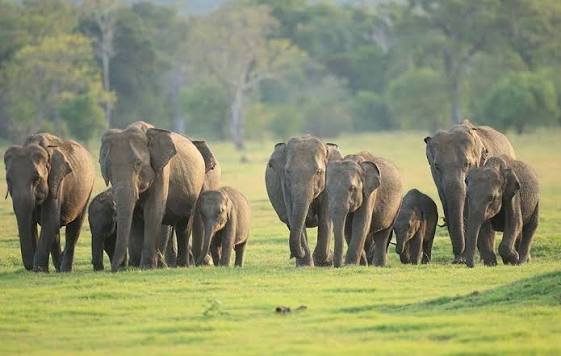
When the reservoir draws down, elephants converge along the exposed shorelines. Solitary bulls may appear at the edges of these gatherings — watching, waiting, then stepping in only when the social weather feels right.
“To understand the elephant, one must first learn the silence of the bush...”
— Field note, Udawalawe Section
Nocturnal Patterns & Migration
After dusk, movement softens. Bulls often prefer cooler hours for long transfers between feeding grounds, using jeep tracks as corridors when the scrub grows dense.
The Art of Tracking
Trackers combine traditional sign-reading with modern tools: GPS points, camera traps, and careful notes on musth behavior. The goal is never pursuit — only understanding.
Future Horizons
Protecting these giants means protecting corridors beyond the park boundary. Every verified sighting helps shape conservation plans that keep both elephants and communities safer.
Enjoying this expedition log?
Get field notes and park updates delivered quietly to your inbox.
Visitor Reflections
12 Reflections
We watched a lone bull at the dam at sunset — unforgettable. Thank you for explaining the tracking ethics so clearly.
The tip about shoreline space should be posted at every jeep briefing. Excellent field log.